
Thinking about cord blood banking in Singapore? It’s a big decision, and you’ve probably heard of a few names, like Cordlife and CryoViva. We’re going to break down what cord blood banking is all about and look at what these two companies offer. It can get confusing with all the options out there, so let’s try to make it clearer. We’ll cover the basics, compare the services, and talk about the costs involved. Plus, we’ll touch on the science behind it all. The goal here is to help you figure out if cord blood banking is right for your family and, if so, which bank might be the best fit. This article is all about helping you make an informed choice when it comes to cordlife vs cryoviva.
Key Takeaways
- Cord blood banking involves collecting and storing stem cells from umbilical cord blood for potential future medical use.
- Cordlife and CryoViva are two private cord blood banks operating in Singapore, each with different storage solutions and pricing.
- The cost of cord blood banking can vary significantly between private banks, with factors like storage duration and additional services influencing the price.
- Stem cells from cord blood have potential applications in treating various diseases, but it’s important to understand the risks and benefits.
- Choosing a cord blood bank requires careful consideration of services, costs, and long-term value to make the best decision for your family’s needs.
Understanding Cord Blood Banking in Singapore

What is Cord Blood Banking?
Cord blood banking is the process of collecting and storing the blood found in your baby’s umbilical cord and placenta after birth. This blood is a rich source of stem cells, specifically hematopoietic stem cells (HSCs) and mesenchymal stem cells (MSCs). These cells have a remarkable ability to develop into various cell types and are crucial for regenerating damaged tissues and treating a range of diseases. The collection itself is a simple procedure performed after the umbilical cord has been clamped and cut, and it doesn’t pose any risk to the mother or the baby. The collected cord blood is then processed in a lab, treated with a cryoprotectant, and stored at extremely low temperatures, around -180 degrees Celsius, in specialized liquid nitrogen tanks.
The Purpose of Banking Cord Blood
The primary reason for banking cord blood is its potential use in medical treatments. Stem cells from cord blood can be used in stem cell transplants, which have been used for decades to treat various conditions. These include certain types of cancers, blood disorders, immune deficiencies, and genetic diseases. Using a child’s own banked cord blood for treatment eliminates the risk of immune rejection, which is a significant concern when using stem cells from a donor. This makes it a potentially life-saving resource for your child or other family members if a matching stem cell transplant is needed. It’s important to understand that cord blood banking is not a form of health insurance, but rather a way to preserve a unique biological resource for potential future medical needs.
Is Cord Blood Banking Worth It?
Deciding whether cord blood banking is
Cordlife vs. CryoViva: A Comparative Overview
When it comes to safeguarding your child’s cord blood, choosing the right bank is a big decision. In Singapore, Cordlife and CryoViva are two prominent names that often come up. While both offer cord blood banking services, they have different approaches and features. Let’s break down what each offers to help you compare.
Cordlife’s Offerings
Cordlife has been a significant player in the cord blood banking scene in Southeast Asia for a while. They focus on providing a range of services related to stem cell storage. Their primary service involves collecting, processing, and storing your baby’s cord blood and tissue. They aim to provide a secure storage solution for these valuable biological materials.
Key aspects of Cordlife’s service often include:
- Collection Process: They typically work with hospitals to ensure a smooth collection of cord blood and tissue during childbirth.
- Storage Facilities: They maintain specialized laboratories and cryogenic storage facilities designed to preserve stem cells.
- Accreditations: Cordlife often highlights its accreditations and adherence to industry standards for quality and safety.
- Regional Presence: They have an established presence in Singapore and other parts of Asia, which can be a factor for some families.
It’s worth noting that while Cordlife has a long-standing presence, there have been reports regarding operational issues, including potential service suspensions due to lapses. This is something potential clients should be aware of and investigate further.
CryoViva’s Storage Solutions
CryoViva also provides cord blood and tissue banking services. Their focus is on the scientific aspect of stem cell preservation and making these cells available for potential future therapeutic uses. They emphasize the advanced technology and scientific expertise behind their storage processes.
CryoViva’s approach typically involves:
- Advanced Processing: They often detail their specific methods for processing and cryopreserving stem cells.
- Quality Control: A strong emphasis is placed on rigorous quality control measures throughout the collection and storage lifecycle.
- Research and Development: Some providers like CryoViva may highlight their involvement or support for stem cell research, aiming to stay at the forefront of scientific advancements.
- Global Standards: They often align their operations with international quality standards for cord blood banking.
Key Differences in Services
When comparing Cordlife and CryoViva, several distinctions might stand out. It’s not just about the basic service of storing cord blood; it’s about the nuances of their operations, their history, and their specific methodologies.
Here’s a look at some potential differences:
- Operational History and Reputation: Cordlife has a longer history in the region, but has also faced recent scrutiny regarding operational standards. CryoViva, while also established, might have a different track record in terms of regulatory compliance and public perception.
- Technological Focus: While both store stem cells, one might emphasize its proprietary processing techniques or specific storage technologies more than the other.
- Service Scope: Beyond basic storage, some banks might offer additional services like expanded stem cell banking (e.g., different types of stem cells) or more detailed genetic screening options, though this varies.
- Client Support and Communication: The way each company communicates with clients, handles inquiries, and provides updates can differ significantly. This includes how they address any operational challenges or regulatory issues that may arise.
Making a choice between these two providers requires looking beyond just the service description. It involves understanding their operational integrity, their commitment to quality, and how they manage potential challenges. Researching recent news and regulatory updates for both companies is a sensible step in this decision-making process.
Ultimately, the best choice depends on what aspects of cord blood banking are most important to you and your family. It’s wise to get detailed information directly from both companies regarding their current operations, accreditations, and any recent developments that might affect their services. Cordlife Group’s presence in Southeast Asia is notable, but recent reports about their operational standards warrant careful consideration alongside CryoViva’s offerings.
Cost Considerations for Cord Blood Storage
When you’re thinking about cord blood banking, the cost is definitely a big part of the picture. It’s not a small decision, and the price tag can vary quite a bit depending on what you choose. You’ve got a few main options to consider, and each comes with its own set of fees.
Pricing Structures of Private Banks
Private cord blood banks in Singapore typically have a few ways they structure their pricing. Most often, you’ll see an upfront fee for processing and then an annual or multi-year storage fee. Some banks might offer a package deal that covers a set number of years, say 18 or 21 years. Others might have a lower initial cost but higher ongoing fees. It’s really about comparing the total cost over the period you plan to store the cord blood.
For example, some banks might charge around $2,000 to $3,000 for initial processing and the first few years of storage. Then, you could be looking at anywhere from $200 to $500 per year for continued storage. It adds up, so it’s worth looking at the long-term financial commitment.
Comparing Long-Term Storage Costs
When you’re comparing prices, don’t just look at the sticker price. Think about how long you want to store the cord blood. Most banks offer storage for at least 18 to 21 years, but some might even offer indefinite storage. The longer you plan to store it, the more the total cost will be. It’s a bit like choosing a phone plan – you need to see which one offers the best value for your specific needs over time.
Here’s a general idea of how costs might break down, though actual prices can change:
| Bank | Initial Processing & First Few Years | Annual Storage Fee (approx.) | Total for 21 Years (approx.) |
|---|---|---|---|
| Bank A | $2,500 | $250 | $7,750 |
| Bank B | $3,000 | $200 | $7,200 |
| Bank C | $4,000 (includes 21 years) | $0 (after initial payment) | $4,000 |
Remember, these are just examples. It’s always best to get the most current pricing directly from the banks.
Value-Added Services and Their Impact on Price
Sometimes, the price difference between banks isn’t just about storage. Many banks offer additional services that can increase the overall cost. This might include storing the umbilical cord lining along with the cord blood, which contains different types of stem cells. Some might also offer more advanced processing techniques or specialized storage solutions.
Other services could include things like:
- Extended storage options beyond the standard 21 years.
- Additional testing or screening of the cord blood.
- Dedicated customer support or case management.
- Options for storing other biological materials.
These extras can be appealing, especially if you feel they add significant value to your decision. However, they will naturally come with a higher price tag. You need to weigh whether these added benefits are worth the extra expense for your family’s peace of mind. The stem cell banking market is growing, and companies are always looking for ways to differentiate their services [5ee9].
It’s important to remember that cord blood banking is a long-term commitment. While the initial costs might seem high, consider the potential future benefits. Think of it less as an expense and more as an investment in your child’s potential health. The market for stem cell banking is expected to see considerable growth in the coming years, indicating a rising interest in these services [6dcb].
The Science and Safety of Cord Blood Banking
Stem Cells and Their Potential Uses
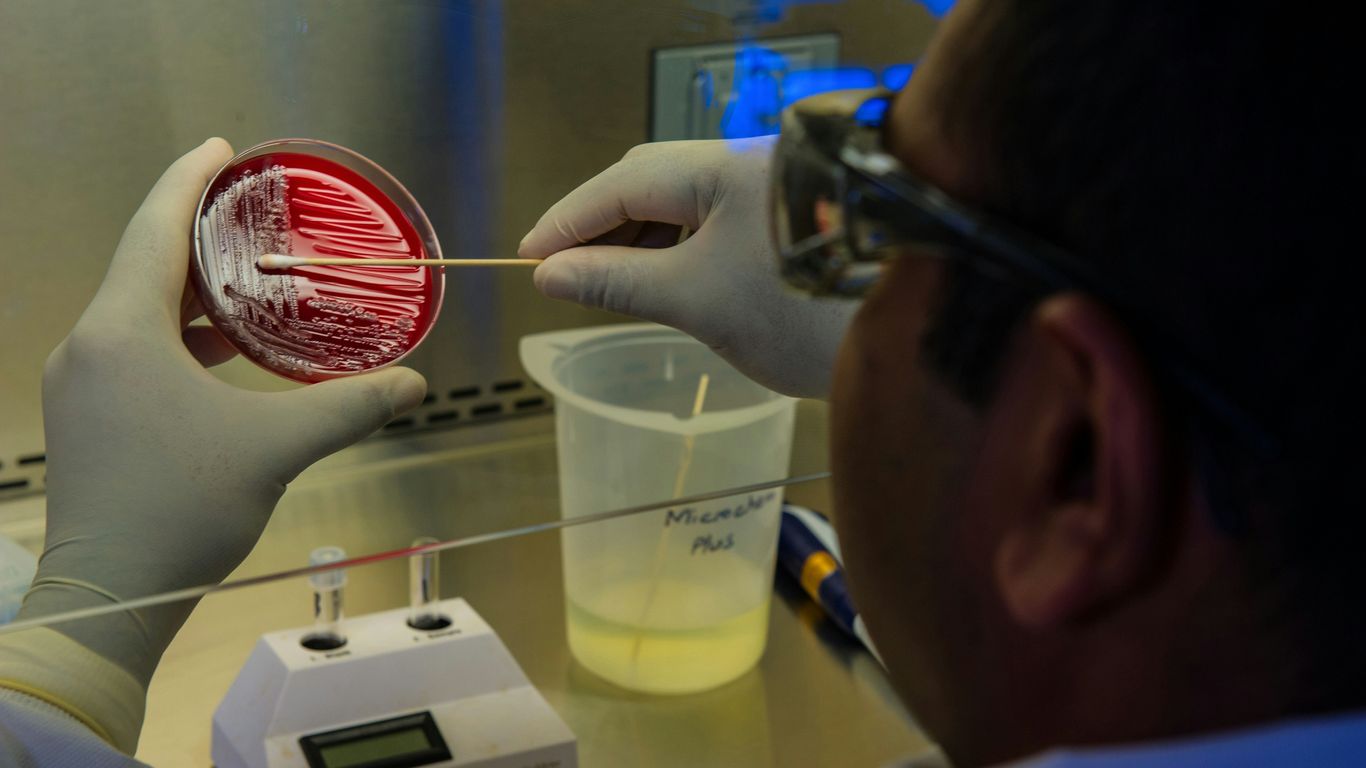
Cord blood is a rich source of hematopoietic stem cells (HSCs) and mesenchymal stem cells (MSCs). These are special types of cells that can develop into many different cell types in the body. Think of them as the body’s repair kit. HSCs are primarily used in transplants to treat blood disorders and cancers, like leukemia and lymphoma. They essentially rebuild a patient’s immune system. MSCs, on the other hand, have shown promise in regenerative medicine, potentially helping to repair damaged tissues and treat conditions like autoimmune diseases and inflammatory disorders. The potential applications for these cells are continually being explored through ongoing research.
The Collection and Storage Process
Collecting cord blood is a straightforward process that happens right after your baby is born and the umbilical cord has been clamped and cut. It’s a safe procedure that doesn’t pose any risk to you or your baby. A healthcare professional will collect the blood from the umbilical cord and placenta. This collected blood is then placed in a special collection bag. From there, it’s transported to the cord blood bank. At the lab, the stem cells are processed, isolated, and then cryopreserved. This means they are stored at extremely low temperatures, typically around -180 degrees Celsius, in liquid nitrogen tanks. This method keeps the cells viable for many years, potentially decades. The entire collection and storage process is designed to maintain the integrity and viability of the stem cells for future use.
Risks and Benefits of Cord Blood Banking
When considering cord blood banking, it’s important to weigh the potential benefits against any risks. The collection itself is considered very low-risk, with no known adverse effects on the mother or baby during childbirth. The primary benefit lies in the potential future medical applications of the stored stem cells. These cells could be used to treat a range of serious diseases, offering a personalized treatment option if a family member develops a condition that can be treated with a stem cell transplant. However, it’s also important to acknowledge that the likelihood of needing to use banked cord blood is relatively low for any given individual. The decision often comes down to personal circumstances and a family’s risk tolerance.
While the exact probability of needing a cord blood transplant is difficult to predict, the technology and understanding of stem cell therapies are advancing rapidly. Banking cord blood provides a potential resource that might become more relevant as medical science progresses.
Here’s a quick look at some pros and cons:
- Pros:
- Cells are a perfect genetic match for your child.
- Lower risk of rejection compared to unrelated donor transplants.
- Potential treatment for over 80 diseases.
- Collection is safe and painless.
- Cons:
- The probability of needing the stored cord blood is low.
- Private banking can be expensive.
- The number of stem cells collected may be insufficient for adult treatments.
- Requires advance planning before delivery.
Making an Informed Decision
Evaluating Your Options
When you’re looking at cord blood banking, it’s not just about picking a company. You’ve got to think about what you really need and what makes sense for your family’s future. It’s a big decision, and there are a few ways to approach it. Some parents see it as a kind of health insurance for their child, a way to have something on hand just in case. Others might view it more as a long-term investment in potential medical treatments. It’s important to remember that cord blood banking isn’t a guaranteed fix for everything, but it does offer a unique resource. Understanding the different types of banking, like private versus public, and what each offers is a good first step. Public banking, like with the Singapore Cord Blood Bank (SCBB), means your donation could help someone else, and it’s free for you. Private banking, with companies like Cordlife and CryoViva, means you’re storing it specifically for your family, but there’s a cost involved.
Factors to Consider Beyond Price
While the cost is definitely a big part of the picture, it’s not the only thing to think about. You’ll want to look at how long the company has been around and their track record. What kind of storage facilities do they have? Do they store samples in multiple locations, just in case something happens to one? It’s also worth checking out what kind of stem cells they store. Some banks might store just the cord blood, while others might also store the cord lining, which has different types of stem cells. Think about the processing and storage process itself. How do they ensure the cells are viable when they need to be used?
Here’s a quick look at some general differences you might find:
- Storage Duration: How long can the cord blood be stored? Most banks offer storage for 20 years or more, with some suggesting indefinite storage is possible with proper preservation.
- Cell Types: Do they store only cord blood, or also cord lining tissue? Cord lining stem cells have different therapeutic potentials.
- Storage Location: Are samples stored in a single facility or multiple locations for added security?
- Accreditation & Quality Standards: Does the bank adhere to international quality standards?
It’s wise to consider cord blood banking not as a replacement for traditional insurance, but as a supplementary measure for potential future medical needs. Think about the long-term implications and whether the peace of mind it offers aligns with your family’s values and financial planning.
Choosing the Right Cord Blood Bank for Your Family
So, how do you actually pick the right one? Start by making a list of your priorities. What’s most important to you: cost, specific services, or the reputation of the bank? Compare the details of what Cordlife and CryoViva, or any other banks you’re considering, actually offer. Look at their pricing structures, not just the upfront cost but the total cost over the period you plan to store.
Consider these questions:
- What is the total cost for 20-25 years of storage?
- Are there any additional fees for processing, collection, or future use?
- What happens if you need to use the cord blood? What is the process and are there associated costs?
- Does the bank have a good reputation for customer service and scientific integrity?
Don’t be afraid to ask questions. A good cord blood bank will be transparent and happy to explain their processes and answer all your concerns. Ultimately, the best choice is the one that feels right for your family and provides the level of security and service you’re looking for. You might also want to look into HLA matching to understand how compatibility works for transplants, as this is a key factor in the effectiveness of stem cell therapies. This decision is about your family’s health and future, so take your time to get all the information you need. You can find more general information about cord blood banking in Singapore to help with your research.
Making a choice that feels right can be tough. We’re here to help you sort through your options and pick the path that best suits you. Ready to make a smart move? Visit our website today for clear guidance and helpful tools.
Wrapping Up Your Cord Blood Banking Decision
Deciding whether to bank your baby’s cord blood is a big choice, and Singapore offers a few options like Cordlife and Cryoviva. Both have their own pricing and services, so it’s really about what fits your family’s needs and budget best. Remember, cord blood banking isn’t like regular insurance; it’s more about preserving a potential future health resource. Take your time, look at the costs, and consider what feels right for you and your growing family. No matter what you decide, it’s about making an informed choice for your peace of mind.
Frequently Asked Questions
What exactly is cord blood banking?
Cord blood banking is like saving a special kind of blood from your baby’s umbilical cord right after birth. This blood is packed with amazing cells called stem cells. These stem cells have the power to help treat many different illnesses, kind of like a natural repair kit for the body.
Why would someone want to store cord blood?
Storing cord blood is a way to keep these powerful stem cells safe for the future. If your child or another family member ever gets sick with a disease that can be treated with stem cells, like certain types of cancer or blood disorders, you’ll have a ready source of matching cells. It’s like having a backup plan for health.
Is it really worth the cost to bank cord blood?
Deciding if cord blood banking is worth it is a personal choice. It’s not like regular insurance that guarantees you’ll get a payout. Instead, think of it as a way to preserve a potential medical resource for your family. The cost can add up, but for some families, the peace of mind and potential to help a loved one is priceless.
How much does it typically cost to store cord blood in Singapore?
The prices can vary between different private banks like Cordlife and CryoViva. Generally, you’ll pay an initial fee for processing and then yearly or multi-year storage fees. Some banks might offer deals for longer storage periods, and costs can range from a few thousand dollars upwards for 21 years or more. It’s best to check the latest prices directly with the banks.
Are there any dangers in collecting or storing cord blood?
The good news is that collecting cord blood after birth is completely safe for both the mother and the baby. It doesn’t hurt anyone. The storage process in specialized labs is also very safe, using super cold temperatures to keep the stem cells healthy for a very long time.
How long can banked cord blood be stored?
Scientists have found that cord blood can be stored for many years, even over 20 years, and still be effective. As long as it’s kept properly in the special storage tanks, it can potentially be stored indefinitely, meaning it can be kept safe until it’s needed, whenever that might be.