
Thinking about your CPF Special Account (SA) and how much interest it’s earning, especially looking ahead to 2026? It’s a smart move to keep tabs on this. Your SA is a big part of your retirement savings, and understanding its interest rate is key to making sure your money grows as much as possible. This guide breaks down what you need to know about the special account interest rate, what to expect, and how it all fits into your long-term financial picture.
Key Takeaways
- The CPF Special Account (SA) is designed for retirement savings and earns a base interest rate, currently 4% per annum, plus an additional 1% on the first $60,000 of combined CPF balances.
- The special account interest rate for 2026 will likely be influenced by the prevailing economic conditions and government policies, though it’s expected to remain competitive.
- Understanding how compounding works is vital; consistent interest accrual significantly boosts your SA balance over time.
- While the SA offers a stable, risk-free return, comparing its yield to potential returns from CPF-approved investments can help in maximizing your overall retirement funds.
- Factors like government policy changes and market performance can affect future special account interest rates, so staying informed is important for long-term planning.
Understanding CPF Special Account Interest Rates
The Role of the Special Account in Your CPF
The CPF Special Account (SA) is a key component of your Central Provident Fund, primarily set aside for retirement needs and long-term investments. Unlike the Ordinary Account (OA), which has more flexible uses like housing and education, the SA is more focused. A significant portion of your mandatory CPF contributions, along with any interest earned, goes into this account. This dedicated savings pool is designed to grow your retirement funds through a higher interest rate compared to the OA. It plays a vital role in building a secure financial future for your later years.
Current Interest Rate Environment for CPF
As of today, May 10, 2026, CPF interest rates are structured to provide a stable return. The Special Account currently earns a base interest rate of 4% per annum. On top of this, there’s an additional interest of up to 2% per annum on the first $60,000 of your combined CPF savings (including balances in the Ordinary, Special, and Retirement Accounts). This tiered interest system aims to boost retirement adequacy for members. These rates are reviewed periodically by the government and the CPF Board to remain relevant to the economic climate.
Projected Special Account Interest Rate Trends
Predicting exact interest rates far into the future is challenging, as they are influenced by various economic factors. However, the CPF Board has historically maintained a minimum interest rate floor for the Special and Retirement Accounts. For 2026, the current interest rate environment suggests that the SA interest rate will likely remain competitive. While specific projections for 2026 are not yet finalized, trends indicate a continued focus on providing a stable and reasonable return, possibly around the 4% mark, with potential for additional interest payouts based on overall economic performance. It’s wise to keep an eye on official announcements from the CPF Board for the most up-to-date information.
The Special Account is designed for long-term savings, particularly for retirement. Its interest rates are generally higher than the Ordinary Account, reflecting its purpose. Understanding these rates is key to planning your financial future effectively.
Here’s a look at how the interest rates have been structured:
| Account Type | Base Interest Rate | Additional Interest (on first $60k) |
|---|---|---|
| Special Account (SA) | 4% per annum | Up to 2% per annum |
| Ordinary Account (OA) | 2.5% per annum | Up to 2% per annum |
| Retirement Account (RA) | 4% per annum | Up to 2% per annum |
These rates are subject to change based on government policy and market conditions. For instance, changes announced in Budget 2026 [7c59] aim to enhance retirement adequacy.
Maximizing Returns on Your Special Account
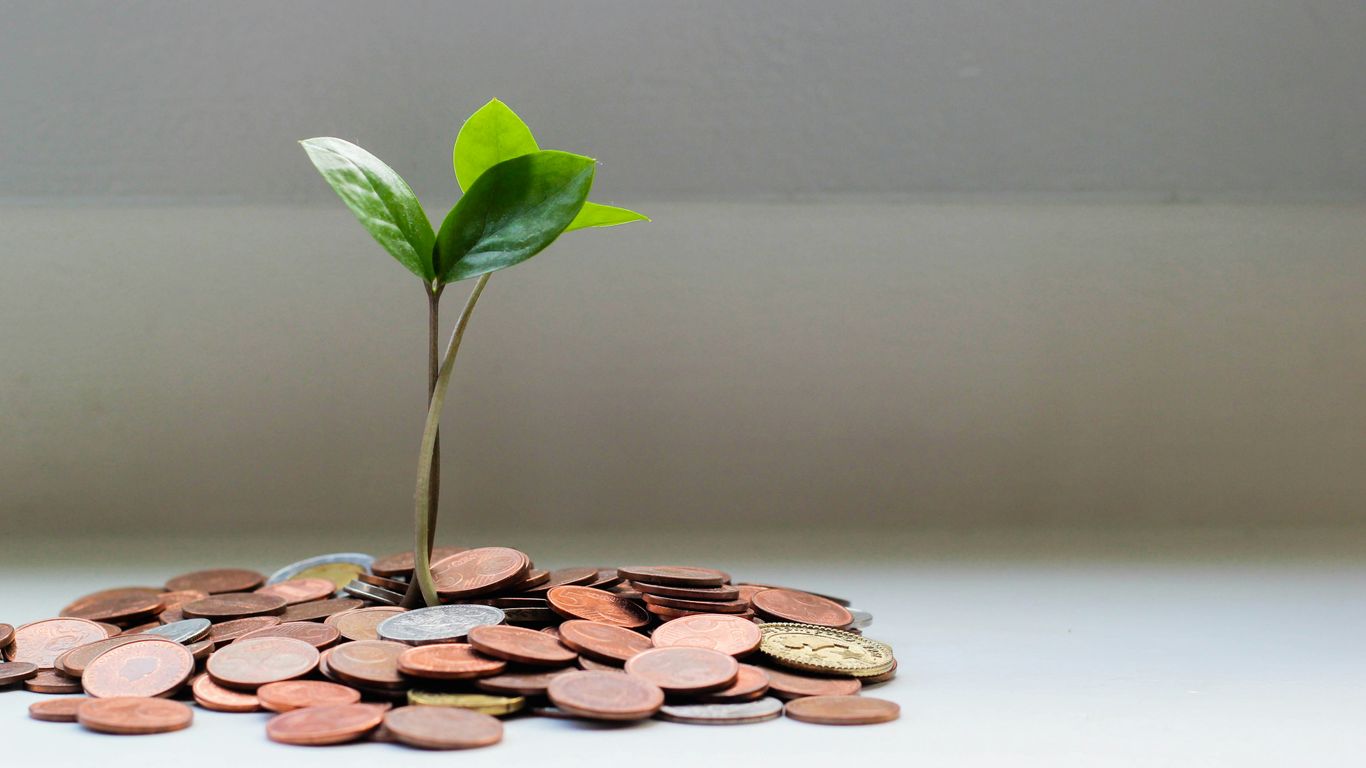
It’s smart to think about how to get the most out of your CPF Special Account (SA). While the interest rate is generally good, there are ways to think about growing that balance even further. This isn’t about taking on big risks, but rather about understanding how your money works for you over time.
Strategies for Enhancing Special Account Growth
While you can’t directly invest your SA funds into stocks or bonds through the CPF system itself (that’s what CPFIS is for, with its own set of risks and rewards), you can focus on maximizing the contributions and understanding the interest earned. One key strategy is to make voluntary top-ups to your SA, especially if you have spare cash and are looking for a safe, government-backed return. This is particularly beneficial if you’re below age 55 and can still receive contributions. Remember, topping up your SA can also offer tax relief, making it a double win.
Another approach is to be mindful of how your SA funds are eventually used. For instance, if you plan to buy a property, understanding the implications of using your SA funds versus other options is important. While using SA funds for property can seem like a good way to utilize your savings, it means that money is no longer earning its CPF interest. This is a trade-off to consider carefully.
- Voluntary Top-ups: Contribute more to your SA, especially if you’re younger and have the capacity. This can be done through cash top-ups. How To Top Up CPF Special Account (CPF SA): 9 Easy Steps
- Understand Usage: Be aware of how using SA funds for other purposes (like property) impacts your retirement savings and the interest you forgo.
- Review Regularly: Keep an eye on your SA balance and the interest credited. This helps you stay informed about your progress.
Impact of Compounding on Special Account Balances
Compounding is a powerful force, and it’s definitely at play with your CPF SA. The interest you earn each year gets added to your principal, and then the next year’s interest is calculated on that larger sum. Over many years, this can make a significant difference to your final balance. The longer your money stays in the SA, the more time compounding has to work its magic.
Let’s look at a simplified example:
| Year | Starting Balance | Interest Earned (e.g., 4%) | Ending Balance |
|---|---|---|---|
| 1 | S$10,000 | S$400 | S$10,400 |
| 2 | S$10,400 | S$416 | S$10,816 |
| 3 | S$10,816 | S$432.64 | S$11,248.64 |
As you can see, the interest earned grows each year because the base amount is increasing. This is why starting early and letting your savings grow undisturbed is so beneficial for long-term goals like retirement.
The magic of compounding means that your money doesn’t just grow; it grows on itself. This effect becomes much more pronounced over longer periods, turning modest savings into substantial sums by retirement.
Comparing Special Account Returns with Other Investments
When thinking about maximizing returns, it’s natural to compare your SA’s interest rate with other options. The SA typically offers a competitive, risk-free interest rate, often higher than what you’d get from basic savings accounts or fixed deposits. For instance, while high-interest savings accounts might offer around 3-4% currently, the SA’s base rate is usually around 4% (plus an extra 1% for the first S$10,000 in each account, and up to 6% for the first S$20,000 for members below 55). This makes it a very attractive option for conservative savers.
However, other investment avenues, like certain unit trusts or investment-linked policies, might offer the potential for higher returns, but they also come with market risks. For example, some investment plans might aim for returns of 5-7% or more, but these are not guaranteed and could even result in losses. It’s about finding the right balance for your personal risk tolerance. If you’re looking for stability and a guaranteed return, the SA is hard to beat. If you’re willing to take on more risk for potentially higher gains, you might explore other avenues, perhaps through the CPF Investment Scheme for a portion of your funds, or other personal investments.
- CPF SA: Generally offers 4% base interest (plus potential extra interest), risk-free. Good for capital preservation and steady growth.
- High-Interest Savings Accounts: Offer competitive rates (e.g., 3-4%), generally safe but may have conditions.
- Fixed Deposits: Offer fixed rates, safe but usually lower than SA.
- Investment Products (Stocks, Bonds, Unit Trusts, ILPs): Potential for higher returns but come with market risk and no capital guarantee. For instance, some plans like Singlife Flexi Retirement II aim for growth but include non-guaranteed bonuses. Singlife Flexi Retirement II plan
Key Factors Influencing Special Account Interest

Several elements come into play when determining the interest rate for your CPF Special Account (SA). It’s not just a random number; it’s tied to broader economic conditions and specific government decisions. Understanding these factors can help you better anticipate future interest rates and plan your finances accordingly.
Government Policies and CPF Board Decisions
The CPF interest rate structure is primarily set by the government and managed by the CPF Board. They decide on the base rate and any additional payouts. This framework is designed to ensure that CPF savings grow at a reasonable pace, providing security for retirement. The CPF Board regularly reviews these rates, taking into account various economic indicators and the overall financial health of the nation.
Economic Conditions and Market Performance
The interest rates offered on CPF accounts are linked to the performance of Singapore Government Securities (SGS). Specifically, the SA interest rate is based on the 10-year SGS yield, plus an additional 1%.
| Account Type | Base Rate Calculation |
|---|---|
| Special Account (SA) | Average yield of 10-year SGS + 1% |
| MediSave (MA) | Average yield of 10-year SGS + 1% |
| Ordinary Account (OA) | Floor rate of 2.5% or average yield of 10-year SGS + 0.5% |
This means that when government bond yields go up, your SA interest rate generally follows suit. Conversely, if yields fall, the interest rate on your SA might also decrease, though there’s a floor rate to provide some stability.
The Base Rate and Additional Payouts Explained
As mentioned, the base interest rate for the SA is linked to the 10-year SGS yield plus 1%. This forms the core of your interest earnings. On top of this, the government may announce additional payouts, often referred to as extra interest. These are typically given to members who are below 55 years old, providing an extra boost to their savings. For instance, historically, members below 55 have received an extra 1% on the first $60,000 of their combined CPF balances (including balances in the Ordinary Account).
It’s important to remember that these rates are not fixed indefinitely. They are reviewed periodically, usually every quarter, to reflect current market conditions. This dynamic nature means your savings could potentially grow faster or slower depending on the economic climate and policy adjustments.
Special Account Interest Rate: What to Expect
Anticipated Special Account Interest Rate for 2026
Predicting exact interest rates for the CPF Special Account (SA) in 2026 involves looking at current trends and potential economic shifts. While the SA has historically offered a competitive interest rate, typically around 4% per annum, this is subject to review and adjustments by the CPF Board. Factors like the overall economic climate and the government’s monetary policies play a significant role. It’s reasonable to expect the rate to remain competitive, aiming to provide a steady growth for retirement savings. Some analyses suggest that changes to CPF might direct more funds into equities, potentially influencing overall returns [abdd].
How Interest Rates Affect Your Retirement Sum
The interest earned on your Special Account directly impacts how quickly your retirement savings grow. A higher interest rate means your money compounds faster, helping you reach your retirement sum target more efficiently. Conversely, a lower rate would slow down this growth. For instance, the difference between a 2.5% interest rate and a 4% rate can be substantial over several decades. This compounding effect is why understanding the projected interest rates is important for long-term financial planning.
Long-Term Outlook for Special Account Yields
Looking ahead, the CPF Special Account is designed to be a stable, long-term savings vehicle. While short-term fluctuations in interest rates are possible, influenced by global economic conditions and local monetary policy, the general outlook for SA yields is generally positive. The government aims to provide a consistent and attractive return, often benchmarked against other low-risk investment options. This stability is a key feature for individuals planning for their retirement, offering a predictable growth path for their savings. It’s worth noting that the base rate for the SA is currently set at 4% per annum, with an additional 1% interest on the first $60,000 of combined CPF balances [web_page_id].
Navigating CPF Special Account Interest
Understanding Accrued Interest Implications
When you use funds from your CPF Ordinary Account (OA) to purchase property, it’s important to understand the concept of accrued interest. Essentially, any amount withdrawn from your OA for housing is expected to be returned, along with the interest it would have earned if it had remained in the account. This is because your OA typically earns a base interest rate of 2.5% per year. When you eventually sell the property, this accrued interest, along with the principal amount, needs to be refunded to your CPF OA. This refund requirement is a key factor to consider when planning property sales and future cash flow.
Here’s a simplified look at how it’s calculated:
- Accrued Interest = Principal Amount Used × 2.5% ÷ 12 × Number of Months
For example, if you used $100,000 from your OA for a property and held it for 10 years, the accrued interest could be around $28,000. This amount, plus the original $100,000, would need to be returned to your CPF.
The impact of accrued interest is often underestimated. It’s not just about repaying the principal; it’s also about the potential growth that money could have achieved if left in your CPF account or invested elsewhere. This missed growth is a significant part of the overall cost of using CPF for property.
Benefits of Keeping Funds in Your Special Account
Keeping your money in the CPF Special Account (SA) offers several advantages, primarily centered around its interest rate. The SA generally earns a higher interest rate than the Ordinary Account (OA), currently at 4% per annum, with potential for an additional 1% on the first $60,000 of combined CPF balances. This higher interest rate means your savings grow more substantially over time due to compounding.
- Retirement Planning: The SA is primarily for retirement needs, and its steady, government-guaranteed interest helps build a solid nest egg.
- Compounding Growth: The higher interest rate allows your savings to grow exponentially over the long term.
- Safety: CPF funds are considered a safe investment, backed by the Singapore government, offering peace of mind.
Planning Your Withdrawals Based on Interest Earned
When planning to withdraw funds from your CPF, especially for retirement or housing, understanding how interest is earned and applied is vital. For instance, if you’ve used your OA for housing, the accrued interest needs to be repaid. This repayment comes from your sale proceeds. If the sale proceeds are insufficient to cover both the principal and accrued interest, and you’ve pledged your property to meet your retirement sum, you might not need to top up the shortfall in cash, provided the property was sold at market value. However, it’s always wise to check the specifics with the CPF Board.
- Retirement Sum: Ensure your CPF balances, including earned interest, are sufficient to meet your Retirement Sum requirements.
- Property Sales: Factor in the accrued interest repayment when estimating the net cash proceeds from selling a property.
- Withdrawal Timing: Consider how withdrawing funds at different stages might affect your overall retirement planning and the compounding of your remaining savings. For example, knowing the current interest rates for CPF accounts can help you make informed decisions about when to access your funds. CPF interest rates are updated quarterly.
Future of Special Account Interest Rates
Thinking about what might happen with CPF Special Account (SA) interest rates down the line is pretty important for long-term planning. While the current rates are set, they aren’t carved in stone forever. The CPF Board and the government do review these rates, and various economic factors can play a role in future adjustments.
Potential Changes to CPF Interest Rate Framework
The interest rates for CPF accounts, including the Special Account, are influenced by several things. Currently, the SA rate is pegged to the 12-month average of 6-month MAS bills, with a floor of 4% per annum. This mechanism is designed to provide a decent return while keeping it somewhat linked to market performance. However, there’s always the possibility that the framework itself could be tweaked.
- Review of Pegging Mechanisms: The government might decide to change how the SA interest rate is calculated. This could involve looking at different benchmark rates or adjusting the spread over those rates.
- Introduction of New Account Structures: While less likely in the short term, entirely new CPF account types or modifications to existing ones could emerge, impacting how interest is applied.
- Policy Shifts: Broader economic policies aimed at managing inflation, stimulating growth, or ensuring retirement adequacy could lead to changes in CPF interest rate policies.
How Reforms Might Impact Special Account Yields
Any changes to the interest rate framework could have a direct effect on the yields you get from your SA. If the pegging mechanism shifts to a higher-yielding benchmark, your returns could potentially increase. Conversely, if the new framework leads to lower benchmark rates or a reduced spread, your SA yields might decrease. It’s also worth noting that the government has historically guaranteed a minimum interest rate for CPF accounts, like the 2.5% for the Ordinary Account [81fc]. This safety net provides some predictability, but future guarantees could be adjusted.
The interplay between government policy, economic conditions, and the CPF Board’s decisions creates a dynamic environment for interest rates. Understanding these influences is key to anticipating future changes.
Preparing for Future Special Account Interest Rate Scenarios
While we can’t predict the future with certainty, being prepared for different scenarios is a smart move. This means not just relying on current interest rates but also considering how potential changes might affect your retirement planning. For instance, if you’re using your CPF savings for housing, understanding accrued interest is vital, as it’s calculated based on the prevailing OA rate [f3b5].
- Diversify Your Retirement Savings: Don’t put all your eggs in one basket. While SA is a core part of retirement savings, explore other avenues for wealth accumulation that align with your risk tolerance.
- Stay Informed: Keep an eye on CPF announcements and economic news. Changes to CPF policies are usually communicated well in advance.
- Regularly Review Your Financial Plan: As your circumstances and the economic landscape change, revisit your retirement plan to ensure it still meets your long-term goals.
Wondering how special account interest rates might change? Things are shifting, and it’s smart to stay informed. We break down what’s happening and what it means for your money. Want to know more about managing your accounts? Visit our website for the latest updates and tips!
Wrapping Up
So, we’ve gone over the CPF Special Account interest rates and what they mean for your money. It’s clear that understanding these rates is a big part of planning for the future here in Singapore. While the rates might seem straightforward, they can really add up over time, affecting your savings and retirement plans. Keep an eye on these numbers and how they might change. If you’re feeling a bit lost or want to chat about how this fits into your bigger financial picture, don’t hesitate to reach out. Sometimes, a quick conversation can make a big difference down the road.
Frequently Asked Questions
What is the CPF Special Account (SA) and why is it important?
The CPF Special Account (SA) is a special savings pot within your CPF. It’s mainly for your retirement savings and is designed to grow your money with a decent interest rate. It plays a big role in making sure you have enough money to live on when you stop working.
How does the government decide the interest rate for the SA?
The interest rate for your SA is usually linked to the average interest rates of other financial instruments, like fixed deposits and bonds. The CPF Board aims to give you a rate that’s at least 4% per year, or higher if market rates are good. Sometimes, there’s an extra 1% on the first $60,000 of your savings.
Can I expect the SA interest rate to change by 2026?
Interest rates can change based on what’s happening in the economy. While the government tries to keep it stable, it’s possible for the rate to go up or down a bit. We’ll have to watch how the economy does in the coming years to get a clearer picture for 2026.
How does compounding interest help my SA savings grow?
Compounding interest is like a snowball effect for your money. The interest you earn each year gets added to your savings, and then the next year, you earn interest on both your original savings and the accumulated interest. This makes your money grow much faster over time.
What happens to my SA savings when I turn 55?
When you reach 55, your SA savings (along with savings from your Ordinary Account) are transferred to your Retirement Account (RA). This RA is used to provide you with monthly payouts from age 65. The goal is to ensure you have a steady income stream for your retirement years.
Are there ways to potentially earn more than the SA interest rate?
Yes, you can consider investing your CPF savings through the CPF Investment Scheme. This allows you to invest in things like stocks, bonds, or unit trusts. While these investments can offer higher returns, they also come with more risk than keeping your money in the SA.