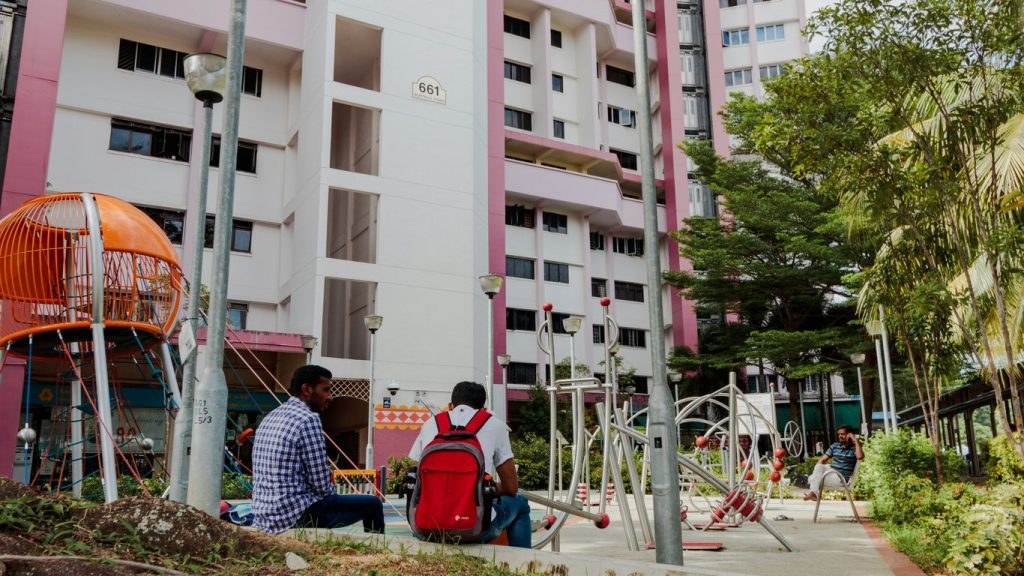
Thinking about buying an HDB flat? It’s a big step, and there’s a lot to figure out. From making sure you qualify to understanding how much you can borrow and what grants you might get, it can feel a bit overwhelming. This guide breaks down the whole process, focusing on the HDB HFE letter application, which is a pretty important part of getting your dream home. We’ll go through what you need to know to make things smoother.
Key Takeaways
- Before applying for an HDB flat, check your eligibility carefully. This includes understanding income limits and what grants you might qualify for.
- The HDB HFE letter is essential for your flat application. It shows you’re eligible for an HDB loan and tells you how much you can borrow.
- Applying for the HFE letter involves submitting necessary documents through the HDB portal. Processing usually takes about 14 days.
- HDB loans offer competitive interest rates and higher loan-to-value ratios compared to bank loans, making them a popular choice for many buyers.
- Various grants, like the Enhanced CPF Housing Grant (EHG) and Proximity Housing Grant (PHG), can significantly reduce the cost of your HDB flat.
Understanding HDB Flat Eligibility
Buying an HDB flat is a big step, and knowing if you qualify is the very first thing you need to figure out. HDB has specific rules about who can buy their flats, and these rules cover things like your citizenship, family nucleus, and how much money you make. It’s not just about having the cash; it’s about meeting the criteria set by the Housing & Development Board.
Key Eligibility Criteria for HDB Flats
To even start thinking about buying an HDB flat, you generally need to be a Singapore Citizen or a Singapore Permanent Resident (SPR). The specific scheme you apply under will also determine other requirements. For instance, if you’re applying as a family nucleus, you’ll typically need to include at least one other eligible family member, such as a spouse, child, parent, or sibling. Singles have their own set of rules, which we’ll touch on later. Meeting these basic requirements is the gateway to exploring your HDB flat options.
Here’s a quick rundown of common eligibility factors:
- Citizenship: Singapore Citizen or Permanent Resident.
- Family Nucleus: For most schemes, you need to form a family nucleus (e.g., married couple, parent with unmarried child).
- Property Ownership: You generally cannot own or have an interest in any other private residential property at the time of application.
- Age: Usually, you need to be at least 21 years old, though specific schemes might have different age requirements.
Navigating Income Ceilings and Grants
Income is a major factor when it comes to HDB flat eligibility, especially for new Build-To-Order (BTO) flats and for qualifying for housing grants. HDB uses income ceilings to ensure that flats remain affordable for a broad range of Singaporeans. If you’re looking to buy a BTO flat, there’s a maximum household income limit. This limit can vary depending on the type of flat and the lease duration. For example, a 99-year lease BTO flat has a different income ceiling compared to a shorter lease. It’s important to check the latest figures on the HDB website as these can be updated.
Grants, like the Enhanced CPF Housing Grant (EHG), are also tied to your income. Generally, lower-income households are eligible for higher grant amounts. This system is designed to help first-time homebuyers afford their first HDB flat. If your income exceeds the ceiling for grants, you might still be eligible to buy the flat, but you won’t receive that particular financial assistance.
Special Considerations for Singles and Students
Buying an HDB flat as a single person comes with its own set of rules and options. Generally, single Singapore Citizens aged 35 and above are eligible to buy a 2-room Flexi BTO flat in non-mature estates. They can also purchase resale flats, but there are restrictions on the size and location of BTO flats available to them. For singles looking to buy a resale flat, there’s no income ceiling for the purchase itself, but an income ceiling applies if you want to take out an HDB loan or receive housing grants. This means you might be able to afford a more expensive resale flat with a bank loan, but without the grant subsidies.
Students or those who are still studying might find it challenging to meet the income requirements for purchasing an HDB flat. Typically, a stable source of income is needed. If you’re a student, you might need to wait until you’ve graduated and secured employment to meet the eligibility criteria. Some may consider purchasing with family members or waiting until they are older and have established their careers. For those who are widowed or orphaned, there are specific age requirements that may allow them to purchase earlier than the general age of 35 for singles.
The HFE Letter Application Process
So, you’ve figured out you’re eligible for an HDB flat, which is great! But before you get too far into picking out paint colors, there’s a really important step: getting your HDB Flat Eligibility (HFE) letter. Think of it as your golden ticket that shows you’re all set to buy an HDB flat and what kind of loan you can get.
What is the HFE Letter and Why You Need It
The HFE letter is basically a personalized assessment from HDB. It tells you if you qualify to buy an HDB flat, how much you can borrow, and what housing grants you might be eligible for. It’s a mandatory document you’ll need before you can even book a flat, whether it’s a new Build-To-Order (BTO) or a resale flat. Without it, you can’t proceed with booking or buying.
Step-by-Step HFE Letter Application Guide
Applying for the HFE letter is pretty straightforward, but it does require some attention to detail. Here’s a general rundown of what to expect:
- Check Your Preliminary Eligibility: Before diving into the full application, you can do a quick check online to see if you meet the basic requirements. This saves you time if you’re not eligible.
- Log In and Start Your Application: You’ll need your Singpass to log in to the HDB portal. From there, you’ll find the application for the HFE letter.
- Fill in Personal and Financial Details: This is where you’ll provide information about yourself, any co-applicants (like your spouse or fiancé(e)), your income, existing loans, and CPF usage.
- Upload Required Documents: You’ll need to submit supporting documents. Make sure they are clear and in the correct format (usually PDF or JPG).
- Submit and Await Approval: Once submitted, HDB will review your application. Processing usually takes about 14 working days, but it can vary. You can check your application status online.
- Receive Your HFE Letter: If approved, you’ll receive your HFE letter, which is valid for a set period (usually 6 months). Keep it safe!
It’s really important to be honest and accurate when filling out the application. Any mistakes or missing information can cause delays or even lead to your application being rejected. Double-check everything before you hit submit.
Required Documents for Your HFE Letter Application
The exact documents needed can depend on your specific situation, but generally, you should be prepared to provide:
- Personal Identification: NRIC for Singapore Citizens and Permanent Residents. For non-citizens, relevant identification documents.
- Proof of Income: This can include:
- Latest 6 months’ CPF Contribution History Statement (for employees with CPF contributions).
- Latest Notice of Assessment from IRAS (for self-employed or those with other income sources).
- Latest computerised payslips (usually 3-6 months).
- Marriage Certificate: If applying as a couple.
- Divorce Certificate/Deed of Separation: If applicable.
- Student Status Proof: If you’re a full-time student, a letter from your educational institution stating your course duration and study mode is needed. This is particularly relevant if you’re using the deferred income assessment option. You can find more details on this.
- Other Documents: Depending on your circumstances, you might need documents related to existing housing loans, grants, or any other financial commitments.
Remember to have digital copies of these documents ready. It makes the online application process much smoother.
Assessing Your Loan Eligibility
Figuring out how much you can borrow for your HDB flat is a big part of the home-buying puzzle. It’s not just about what you want to spend, but also what HDB or a bank will approve based on your financial situation. This section breaks down how loan eligibility is determined, so you know what to expect.
How HDB Assesses Loan Repayment Ability
HDB looks at a few key things to figure out if you can handle a loan. They want to make sure you can comfortably pay it back over the years. The main factors they consider are your income, your existing debts, and how much you’ve saved. They use a framework called the Total Debt Servicing Ratio (TDSR) to cap how much of your monthly income can go towards all your debt payments, including your mortgage. Generally, this limit is set at 60% of your gross monthly income.
- Income: Your regular earnings are the biggest factor. HDB will look at your employment history and income stability.
- Existing Debts: Any outstanding loans, like car loans or credit card debt, will be factored in. The more debt you have, the less you might be able to borrow for a home.
- Credit Score: Your credit history shows how you’ve managed debt in the past. A good credit score can help your application.
- Loan Tenure: The longer you take to repay the loan, the lower your monthly payments will be, but you’ll pay more interest overall.
HDB’s assessment aims to ensure that your housing loan is manageable and doesn’t put undue financial strain on you and your family.
Understanding Loan Amounts and Repayment Periods
The amount you can borrow isn’t fixed; it depends on several things. For an HDB loan, you can typically borrow up to 90% of the flat’s purchase price. However, this is subject to your financial assessment. The repayment period, or loan tenure, can be up to 30 years for HDB flats. Choosing a longer tenure means lower monthly installments, but it also means paying more interest over the life of the loan. The maximum loan amount you can get is influenced by your Loan-to-Value (LTV) ratio, which is determined by your income and existing financial commitments.
Here’s a general idea of loan limits:
| Loan Type | Maximum Loan Amount (LTV) | Maximum Tenure |
|---|---|---|
| HDB Loan | Up to 90% | 30 years |
| Bank Loan | Up to 75% (1st loan) | 35 years |
HFE Letter vs. Bank Loan Eligibility
It’s important to know that your HFE (HDB Flat Eligibility) letter gives you an indication of your eligibility for an HDB loan. It’s a good starting point for your planning. However, if you decide to take a loan from a bank instead of HDB, the bank will conduct its own assessment. Banks might have different criteria and loan packages compared to HDB. While the HFE letter provides a good estimate, a bank’s final loan offer will depend on their specific policies and your financial profile at the time of application. You can explore different bank loan options to see which one best suits your needs, but remember to compare interest rates and terms carefully. Understanding HDB loans can help you see how they stack up against bank options.
Maximizing Your Housing Grants
Buying an HDB flat is a big step, and thankfully, there are grants available to help make it more affordable. These grants can significantly reduce the amount you need to pay out-of-pocket or borrow. It’s worth looking into what you might qualify for, as they can really stretch your budget.
Exploring the Enhanced CPF Housing Grant
The Enhanced CPF Housing Grant (EHG) is designed to help Singaporean families, particularly those with lower to middle incomes, purchase a home. To be eligible, your average household income over the past 12 months needs to be $9,000 or less. At least one applicant must have been working for a minimum of one year. The grant amount varies, ranging from $5,000 up to $80,000, with larger grants typically going to those with lower incomes.
Leveraging the Proximity Housing Grant
This grant is a nice bonus if you plan to live near your parents or married children. Specifically, if your new flat is within 4km of your parents’ or children’s homes, you could get a grant of $20,000. If you’re looking to live together as an extended family, the grant increases to $30,000. The great thing about the Proximity Housing Grant (PHG) is that there’s no income ceiling, and it can be combined with the EHG for even more savings.
Grant Eligibility and Application Nuances
When applying for grants, remember that your income is usually assessed based on your average household income over the last 12 months. For those who are still studying, HDB offers a Deferred Income Assessment. This means your income will be assessed closer to when your flat is completed, which can be helpful if your income is expected to increase. You’ll need to provide documentation from your school for this. It’s important to check the specific requirements for each grant well in advance of your application.
Here’s a quick look at how grants can stack up:
| Grant Type | Maximum Amount | Income Ceiling | Proximity Requirement |
|---|---|---|---|
| Enhanced CPF Housing Grant | $80,000 | $9,000/month | None |
| Proximity Housing Grant | $30,000 | None | Within 4km |
Understanding the details of each grant and how they can be combined is key to maximizing the financial assistance available to you. Always refer to the official HDB guidelines for the most current information and eligibility criteria.
Financing Your HDB Flat Purchase
Buying an HDB flat is a big step, and figuring out how to pay for it is a major part of the process. You’ve got a couple of main routes to consider: taking out a loan from HDB itself, or going with a bank loan. Each has its own set of features and things to keep in mind.
HDB Loans: Features and Benefits
HDB loans are often seen as a straightforward option for many Singaporeans. One of the biggest draws is the interest rate. Currently, it’s set at 2.6% per year, which is calculated by taking the current CPF Ordinary Account interest rate and adding 0.1% to it. This rate is generally quite stable.
Here’s a quick look at some key aspects:
- Loan-to-Value (LTV) Ratio: HDB typically offers a higher LTV ratio, often up to 80%, meaning you can borrow a larger portion of the flat’s price.
- Downpayment: For an HDB loan, the minimum downpayment is 20%, which can be paid using your CPF savings or cash.
- Flexibility: HDB loans don’t usually have prepayment penalties, giving you more freedom to pay off your loan early if you wish.
The HDB loan offers a predictable interest rate and a higher borrowing limit, which can be very helpful for first-time homebuyers.
Comparing HDB Loans with Bank Loans
When you compare HDB loans with bank loans, a few differences stand out. Bank loans often come with more varied interest rates, which can be fixed or floating. Floating rates, for example, are usually pegged to benchmarks like SORA and can change over time.
Here’s a comparison table:
| Feature | HDB Loan | Bank Loan |
|---|---|---|
| Interest Rate | 2.6% | Varies (e.g., 3.7% – 5.5%) |
| Loan-to-Value (LTV) | Up to 80% | Up to 75% |
| Downpayment | Min 20% | Min 5% (cash) |
| Prepayment Fees | None | Varies |
Banks might offer competitive rates, especially if you have a good credit history, but the LTV and downpayment requirements can be different. It’s worth looking into different bank packages to see what suits your financial situation best. You can explore various home loan interest rates from different banks to get a clearer picture.
Understanding Down Payment Schemes
The down payment is one of the first significant costs you’ll face. For an HDB loan, you’ll need at least 20% of the flat’s price. If you’re taking a bank loan, the minimum is 25%. However, there are schemes to help manage this initial cost.
- Staggered Downpayment Scheme: This is particularly helpful for younger buyers, including students, who might not have all the funds readily available. It allows you to split the down payment into two parts: one paid when you book the flat, and the second when you collect your keys. This can significantly ease the upfront financial burden.
- CPF Usage: You can use your CPF Ordinary Account savings to pay for a substantial part of your down payment, which is a common practice for many Singaporeans.
- Cash Payment: A portion of the down payment will likely need to be paid in cash, depending on the loan type and your CPF balance.
Choosing the right financing and understanding the down payment requirements are key steps in making your HDB flat purchase a reality. It’s about finding a balance that fits your budget and long-term financial goals.
Navigating the Purchase Journey
So, you’ve gone through the eligibility checks, figured out your finances, and maybe even got your HFE letter. That’s a huge step! But buying an HDB flat involves a few more stages before you get the keys to your new home. It’s not just about finding the right flat; it’s also about understanding the costs and processes involved. Let’s break down what happens next.
Key Stages in Buying an HDB Flat
Buying an HDB flat, whether it’s a Build-To-Order (BTO) or a resale unit, follows a general path. While the specifics can differ slightly, the core steps remain similar. Understanding these stages can help you prepare and avoid any surprises along the way.
- Flat Selection and Application: This is where you identify the flat you want and submit your application. For BTOs, this happens during HDB’s sales launches. For resale flats, you’ll typically find a unit and then proceed with the application through HDB’s online portal. The My Flat Dashboard is designed to guide you through these resale transactions.
- Loan Application and Approval: Once your application is accepted, you’ll need to secure your housing loan. This could be an HDB loan or a bank loan. Your HFE letter provides an overview of your loan eligibility, but final approval comes after you’ve selected a flat.
- Signing the Agreement for Lease/Sale: After loan approval, you’ll sign the official documents. For BTOs, this is the Agreement for Lease. For resale flats, it’s the Sale and Purchase Agreement. This is a significant commitment, and it’s where you’ll start making some payments.
- Key Collection: This is the exciting part! Once the flat is ready (for BTOs) or the resale process is complete, you’ll collect the keys to your new home. This is also when the remaining payments are due.
Understanding Associated Fees and Charges
Beyond the flat price and down payment, there are other costs to consider. These fees cover various administrative, legal, and insurance aspects of the purchase. It’s wise to budget for these upfront.
Here’s a general idea of some common fees:
- Application Fee: A small fee when you first apply for a flat.
- Option Fee: Paid when you book a flat (BTO) or when you agree to buy a resale flat.
- Stamp Duty: A tax payable on the purchase price or market value of the flat, whichever is higher.
- Conveyancing Fees: Legal fees for the transfer of ownership.
- Caveat Fee: A fee to register your interest in the property.
- Survey Fee: For certain types of transactions.
Here’s a simplified look at potential costs during different stages, assuming a hypothetical $390,000 4-room flat:
| Stage | Payment Due | Estimated Cost |
|---|---|---|
| Submitting Application | Application Fee | $10 |
| Booking Your Flat | Option Fee | $2,000 |
| Signing Agreement for Lease | 1st 5% Down Payment, Stamp Duty, etc. | ~$24,111 |
| Key Collection | 2nd 5% Down Payment, Survey Fee, etc. | ~$19,997 |
Note: These figures are illustrative and can vary based on the flat price, type, and prevailing rates.
The Role of Fire Insurance in HDB Ownership
Fire insurance is a mandatory requirement for most HDB flat owners who have an outstanding HDB loan. It’s there to protect you financially if a fire damages the internal structure and fixtures of your flat. Think of it as covering the essential parts of your home’s structure, like walls, floors, and built-in fittings provided by HDB. It’s important to know that this insurance typically doesn’t cover your personal belongings, renovations, or furniture. If you have an HDB loan, you’ll need to maintain this coverage throughout the loan period. You can purchase or renew this insurance through providers like Etiqa Insurance, often via online portals or AXS kiosks.
While the HFE letter provides a good overview of your financial standing for a flat purchase, remember that it’s not the final word on loan approval. The actual loan amount and terms will be confirmed after you’ve selected your flat and undergone the bank’s or HDB’s full assessment. It’s always a good idea to have a buffer in your budget for unexpected costs that might pop up during the purchase journey.
Understanding these steps, fees, and insurance requirements will make your journey to owning an HDB flat much smoother. It’s a big step, but with the right information, you can approach it with confidence.
Thinking about buying something? Our "Navigating the Purchase Journey" section breaks down the whole process into easy steps. We help you understand each part so you can make smart choices. Ready to start your journey? Visit our website for more helpful tips and guides!
Wrapping Up Your HDB Journey
So, you’ve gone through the details about HDB flat eligibility and how to apply for the HFE letter. It might seem like a lot of steps, and honestly, it can be a bit of a process. But remember, getting your own place is a big deal, and taking the time to understand all this now will save you headaches later. Just take it one step at a time, gather your documents, and don’t hesitate to check the HDB website or ask for help if you get stuck. You’ve got this!
Frequently Asked Questions
What is the HFE Letter and why do I need it?
The HFE Letter, which stands for HDB Flat Eligibility Letter, is a super important document. Think of it as your green light from HDB to know if you can buy a flat and how much you can borrow. You need it before you can even book a new BTO flat or apply for a resale flat. It basically tells you if you meet the rules and how much money HDB is willing to lend you for your new home.
How do I apply for the HFE Letter?
Applying for the HFE Letter is done online through the HDB website. You’ll need to log in using your Singpass and fill out an application form. Make sure you have all your documents ready, like your NRIC, income proof (payslips, CPF statements, or tax notices), and details about any existing loans. HDB will review your application, and you can usually check the status online.
What documents do I need for my HFE Letter application?
You’ll need documents that prove your identity and income. This usually includes your NRIC, and for income, you might need your latest payslips, your Notice of Assessment from IRAS, or your CPF contribution history. If you’re applying with a spouse or family member, you’ll need their documents too. It’s always best to check the HDB website for the most up-to-date list.
Can students apply for HDB flats and get a loan?
Yes, students can apply! HDB has a special ‘Deferred Income Assessment’ for students. This means your income might be checked closer to when your flat is ready, not when you first apply. This helps because students often don’t have a steady full-time income yet. You’ll need to provide a letter from your school confirming your study period.
What are the main differences between an HDB loan and a bank loan for a flat?
HDB loans generally offer a higher loan-to-value ratio (meaning you can borrow more) and a lower interest rate compared to bank loans. Bank loans might have more flexible repayment options or different features, but often come with a higher interest rate and may require a larger cash down payment. HDB loans are usually simpler and more affordable for eligible buyers.
What is the Enhanced CPF Housing Grant (EHG)?
The Enhanced CPF Housing Grant (EHG) is a grant to help lower to middle-income Singaporean families buy their first HDB flat. The amount you get depends on your average household income over the past year. If your family earns less, you generally get a bigger grant. It can significantly help reduce the amount you need to pay for your new home.