Ever feel like your money isn’t really working as hard as it could be? You put some aside, maybe in a savings account or a small investment, and you expect it to grow. But sometimes, it feels like it’s just… sitting there. That’s where understanding the compounding effect comes in. It’s not some magic trick, but a simple principle that can make a big difference over time. We’re going to break down what compounding really means and how it can help your money grow, especially looking at the Effects of Compounding Returns [2025].
Key Takeaways
- Compound interest means earning interest not just on your initial money, but also on the interest that money has already earned. It’s like a snowball rolling downhill, getting bigger as it goes.
- Simple interest only calculates earnings on the original amount you put in. Compound interest, on the other hand, grows your money faster because your earnings start earning money too.
- To really see the Effects of Compounding Returns [2025], think about three things: a higher interest rate, a longer time period for your money to grow, and how often the interest is calculated (more frequent compounding generally means faster growth).
- Compounding helps your money fight against inflation, meaning your savings can keep up with the rising cost of living over the long haul. It’s a key part of building wealth for future goals like retirement.
- While compounding is powerful, it’s also important to have solid insurance coverage. This protects your savings and investments from unexpected events like medical emergencies, so your compounding efforts aren’t wiped out.
Understanding The Power Of Compounding Returns [2025]
When we talk about growing our money, there’s one concept that really stands out: compounding. It’s not some complicated financial wizardry; it’s actually pretty straightforward. Think of it as your money making babies, and then those babies grow up and make their own babies. The magic happens when your earnings start earning their own earnings.
Defining Interest Rates From Multiple Perspectives
An interest rate is essentially the cost of borrowing money, or the reward for lending it. From a borrower’s viewpoint, it’s the fee you pay to use someone else’s money, usually expressed as a percentage of the loan amount each year. For the lender, it’s the profit they make from letting someone else use their funds. It’s a two-sided coin, and understanding both sides helps in grasping how money grows.
The Mechanics Of Compound Interest Explained
Compound interest, often called “interest on interest,” is where the real growth potential lies. Unlike simple interest, which is calculated only on the initial amount you put in (the principal), compound interest takes into account the interest you’ve already earned. So, if you invest $1,000 and earn 5% interest in the first year, you’ll have $1,050. In the second year, you’ll earn 5% not just on the original $1,000, but also on that $50 in interest. This might seem small at first, but over time, it adds up significantly. The frequency of compounding also matters; more frequent compounding (like daily or monthly) generally leads to faster growth than annual compounding, assuming the same interest rate.
Simple Interest Versus Compound Interest
Let’s look at a quick comparison to see the difference:
| Year | Simple Interest (on $1,000 at 5%) | Compound Interest (on $1,000 at 5%, compounded annually) |
|---|---|---|
| 1 | $50 | $50 |
| 2 | $50 | $52.50 |
| 3 | $50 | $55.13 |
As you can see, while the interest earned in the first year is the same, compound interest starts to pull ahead in subsequent years. This difference becomes much more pronounced over longer periods. It’s this snowball effect that makes compounding such a powerful tool for long-term wealth accumulation. Understanding this difference is key to making informed investment choices for growth.
The core idea behind compounding is that your money works for you, and then the money it earns also starts working for you. It’s a continuous cycle of growth that can dramatically increase your wealth over time, especially when you start early and stay consistent.
Calculating And Maximizing Compounding Effects
Understanding how compounding works is key to making your money grow. It’s not just about earning interest; it’s about earning interest on your interest. This snowball effect can significantly boost your savings over time. So, how do we actually calculate this and make it work harder for us?
Formulas For Calculating Compound Interest
While calculators make it easy, knowing the basic formula helps. The future value of an investment with compound interest can be calculated using the formula: FV = P(1 + r/n)^(nt) + A[((1 + r/n)^(nt) – 1) / (r/n)]. Here, P is the principal amount, r is the annual interest rate, n is the number of times that interest is compounded per year, t is the number of years the money is invested for, and A is any additional amount added regularly. This formula shows what is the compounding effect when you factor in regular contributions.
Key Factors That Enhance Compounding
There are a few main things that really make the compounding effect work better:
- Higher Interest Rate: A better rate means your money grows faster.
- Longer Time Horizon: The longer your money is invested, the more time compounding has to work its magic.
- Higher Compounding Frequency: Interest compounded more often (like daily or monthly instead of annually) can lead to slightly better growth.
The most impactful factor you can often control is the rate of return you achieve through your investment choices. While frequency and time are important, a higher rate can dramatically alter the outcome.
Strategic Investment Choices For Growth
Choosing where to put your money is where you can really influence the compounding effect. Different investments offer different potential returns and risks. For instance, a simple savings account might offer a low but stable rate, while stocks or mutual funds could offer higher potential returns but with more volatility. It’s about finding a balance that suits your goals and comfort level. Using a compound interest calculator can help you visualize how different rates and timeframes impact your potential growth. Remember, what is compounding effect? It’s your money working for you, and then the earnings from that work also start working for you.
The Impact Of Compounding On Financial Goals

Setting financial goals is like drawing a map for your future. Without one, you’re just wandering. Compounding, that magical “interest on interest” effect, is your most powerful tool for reaching those destinations. It’s not just about saving; it’s about making your savings work harder for you over time. The longer your money compounds, the more significant its growth becomes.
Combating Inflation Through Wealth Growth
Inflation is that sneaky thief that slowly erodes the purchasing power of your money. If your savings aren’t growing faster than the rate of inflation, you’re actually losing ground. Compounding helps your money grow at a pace that can outrun rising costs. Think of it as building a financial shield. By reinvesting your earnings, your principal grows, and then those larger earnings generate even more returns. This cycle is key to maintaining and increasing your real wealth over the years. It’s how you keep your money’s value from shrinking.
Long-Term Investment Strategies
When you’re aiming for big goals like retirement or a down payment on a house, time is your best friend, especially when compounding is involved. Short-term fluctuations in the market might seem scary, but a long-term perspective allows compounding to really shine. Instead of trying to time the market, focus on consistent investment. This approach lets your money grow steadily, benefiting from the snowball effect. It’s about patience and letting the power of compound interest work its magic over decades, not just months.
Here’s a look at how time impacts growth:
| Age Started | Yearly Investment | Years to Retirement (Age 65) | Estimated Value at 65 (8% p.a.) |
|---|---|---|---|
| 25 | $3,600 | 40 | $1,010,811 |
| 30 | $5,500 | 35 | $1,029,061 |
| 35 | $8,500 | 30 | $1,048,439 |
| 40 | $13,000 | 25 | $1,039,407 |
Cultivating Financial Discipline
Achieving financial goals isn’t just about the numbers; it’s also about your habits. Compounding rewards consistency. Setting aside a regular amount, even if it’s small at first, and letting it grow is more effective than sporadic large contributions. This requires discipline: budgeting, tracking expenses, and resisting impulse buys.
- Budgeting: Know where your money is going. Allocate funds for needs, wants, and savings.
- Saving First: Treat savings like a bill. Set aside money as soon as you get paid.
- Tracking Expenses: Monitor your spending to identify areas where you can cut back.
- Regular Review: Periodically check your progress and adjust your strategy as needed.
Building wealth through compounding is a marathon, not a sprint. It requires consistent effort and a clear plan. Small, regular actions, amplified by the power of compounding over time, can lead to substantial financial achievements.
Compounding In Real-World Financial Scenarios
It’s easy to talk about compound interest in theory, but how does it actually play out in our daily financial lives? Let’s look at some common situations where compounding, or the lack of it, makes a big difference.
CPF Accrued Interest And Its Implications
When you use your Central Provident Fund (CPF) savings to buy a property, it’s not quite as simple as just taking the money out. Your CPF savings earn a base interest rate, typically 2.5% annually in the Ordinary Account (OA). If you use these funds for your home loan, that 2.5% interest continues to accrue on the amount you’ve used. This is known as CPF accrued interest. Over time, especially with a large principal amount and a long holding period, this accrued interest can add up significantly. For instance, using $100,000 from your CPF OA for a home over 10 years could mean owing around $28,000 in accrued interest when you eventually sell the property. This amount, along with the original principal, needs to be repaid to your CPF account. The missed opportunity here is that the money you used for the house could have continued to compound in your CPF account or through approved investments, potentially growing much faster than the 2.5% rate.
Here’s a simplified look at how it’s calculated:
- Accrued Interest = Principal Amount × 2.5% ÷ 12 × Number of Months
This means that every dollar taken from your CPF for housing is a dollar that isn’t compounding for your retirement. When you sell your home, this repayment reduces the cash you receive, potentially impacting your next steps or retirement plans.
The Role Of Compounding In Property Transactions
Beyond CPF accrued interest, the concept of compounding is deeply embedded in property transactions. When you take out a mortgage, the interest rate charged by the bank is often compounded. While this works against you as a borrower, it’s also why paying down your principal faster can save you a substantial amount over the loan’s life. Conversely, if you’re selling a property and have paid off your mortgage, the equity you’ve built can be reinvested. This reinvested capital, if placed in investments that generate compound interest, can then start working for you, accelerating wealth accumulation. Think about the difference between a simple interest loan and a compound interest loan; the latter grows much faster, and understanding this dynamic is key when managing large financial commitments like a home.
The power of compound interest is often most apparent when looking at long-term financial commitments. Whether it’s a mortgage or a savings plan, the effect of earning interest on your interest over many years can dramatically alter the final outcome. Time is a critical factor in this equation.
Missed Investment Growth Opportunities
Sometimes, the most significant impact of compounding isn’t what happens, but what doesn’t happen. Consider someone who keeps a large sum of money in a low-interest savings account. While the principal amount is safe, the interest earned is minimal and doesn’t significantly benefit from compounding. If this money were instead invested in assets with a higher potential annual return, even a modest difference in the effective interest rate can lead to vastly different outcomes over time. For example, choosing an investment with a 5% annual return over one with a 1% return, especially when combined with regular contributions through methods like dollar cost averaging, can result in tens or even hundreds of thousands of dollars more over a few decades. This missed growth is a direct consequence of not allowing your money to benefit from the full power of compound interest. It highlights the importance of choosing investment vehicles that offer a competitive interest rate and understanding the long-term implications of your savings choices.
Leveraging Compounding For Future Security
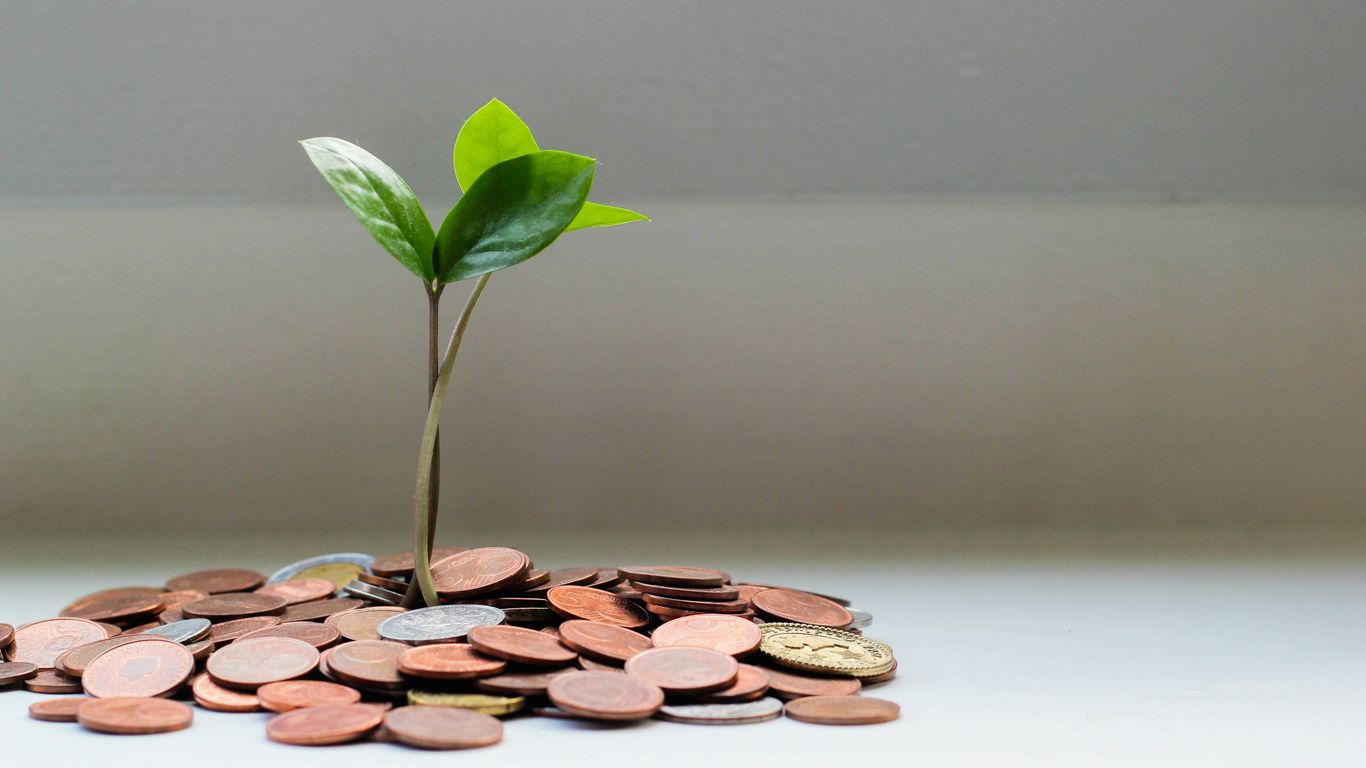
When we talk about securing our future, especially retirement, the concept of compounding is really what makes the magic happen. It’s not just about saving money; it’s about making your money work for you, growing over time. This is where the power of compound interest really shines, turning small, consistent efforts into significant wealth.
Achieving Wealth Accumulation Targets
Setting clear financial goals is the first step. Whether it’s a down payment for a house, your child’s education, or a comfortable retirement, having a target helps. Compounding allows your savings to grow faster than if you were just relying on simple interest. This means you can reach your targets sooner or accumulate more than you initially planned. The earlier you start, the more time compounding has to work its wonders.
Here’s a look at how starting early can make a big difference:
- Start Early: Even small, regular contributions can grow substantially over decades.
- Consistent Contributions: Regularly adding to your investment, even modest amounts, fuels the compounding engine.
- Reinvest Earnings: Don’t withdraw your interest or dividends; let them be added back to your principal to earn more.
Consider this: investing $200 every month with a 10% annual return could lead to over $150,000 in 20 years, and more than $1.2 million in 40 years. That’s a huge difference compared to just letting money sit in a basic savings account.
The key is to understand that time is your greatest ally when it comes to compounding. The longer your money is invested, the more opportunities it has to grow exponentially. This is a core principle of effective investment planning.
Ensuring Sufficient Retirement Payouts
Retirement might seem far off, but planning for it now is vital. Compounding is your best friend here. By consistently investing and allowing your returns to compound, you build a larger nest egg. This larger sum can then provide a more substantial and sustainable income stream throughout your retirement years. Relying solely on simple interest would likely fall short of covering your expenses and maintaining your lifestyle.
Here are some ways to boost your retirement savings through compounding:
- Retirement Plans: Look into plans designed for long-term growth and income generation.
- Investment-Linked Policies (ILPs): These can offer growth potential while providing insurance coverage.
- Diversification: Spreading your investments across different assets can help manage risk and potentially improve returns.
Protecting Income Against Medical Contingencies
While compounding helps build wealth, unexpected medical events can quickly deplete savings. It’s important to have adequate insurance coverage to protect your accumulated wealth. This ensures that a medical emergency doesn’t derail your long-term financial security. Insurance acts as a safety net, allowing your investments to continue growing without being raided for unexpected medical bills. This way, your hard-earned money, grown through compounding, remains intact for your future security.
Strategic Insurance Planning And Compounding

Multiplier Options In Whole Life Plans
When you’re looking at whole life insurance, one feature that can really make a difference over time is the multiplier option. Think of it like this: when you’re younger, you usually have more financial responsibilities, like mortgages or supporting a family. You need more coverage then. As you get older, those needs might decrease. Instead of paying for a high coverage amount you no longer need, a multiplier lets you start with a basic sum and increase it for a set period. For example, you could get a base coverage of $100,000 with a 3X multiplier, giving you $300,000 in coverage for a specific time. This way, you’re not overpaying for coverage you won’t use later on. The money saved on premiums could be put into investments that benefit from compounding.
It’s important to pick a multiplier factor and an expiry age that match when you anticipate your coverage needs will go down.
Here’s a quick look at what to consider:
- Multiplier Factor: This determines how much your basic sum assured is multiplied by. Common options range from 2X to 5X. Figure out your peak coverage needs and work backward.
- Expiry Age: This is when the multiplier benefit stops. It can range from 65 to 80. Choose an age that aligns with when you expect your financial obligations to lessen.
Riders For Enhanced Critical Illness Coverage
Riders are like add-ons to your main insurance policy that give you extra protection. For critical illness (CI) coverage, riders can be really useful. They can cover a wider range of illnesses or provide benefits at different stages, like early critical illness (ECI). Some riders might even offer multiple payouts if you get diagnosed with different critical illnesses over time. This is where the compounding effect can indirectly play a role. By having robust CI coverage, you protect your savings and investments from being depleted by medical expenses. This allows your principal amount and any accumulated returns to continue growing without interruption. It’s about making sure that unexpected health events don’t derail your long-term financial plans.
Balancing Premiums And Benefits
When you’re setting up your insurance, it’s all about finding that sweet spot between what you pay and what you get. You want enough coverage to protect yourself and your loved ones, but you also don’t want to pay premiums that are too high, especially if they eat into your ability to save and invest. This is where understanding the compounding effect is key. If you pay too much in premiums for coverage you don’t really need, that money could have been invested and grown over time. On the other hand, skimping too much on coverage can leave you vulnerable. It’s a balancing act. Think about how your insurance premiums fit into your overall financial picture, including your central provident fund contributions and other investments. The goal is to have protection that works with your wealth-building strategy, not against it. Participating life insurance, for instance, can offer a blend of protection and potential returns, making it a strategic component for financial planning [2f76].
The interplay between insurance premiums and investment growth is a delicate one. Overpaying for insurance can stifle your ability to benefit from compounding, while underinsuring can lead to financial ruin in the event of a crisis. A well-structured plan considers both aspects.
Thinking about how your money grows over time? Strategic insurance planning is key to making sure your savings build up steadily. It’s like planting a seed and watching it turn into a strong tree, providing shade and fruit for years to come. Want to learn how to make your money work harder for you? Visit our website today to discover smart strategies for your financial future!
Putting It All Together
So, we’ve looked at how small actions, repeated over time, can lead to big results. Whether it’s saving a little each month, making smart investment choices, or even just sticking to a budget, the compounding effect is always working. It’s not about making huge changes overnight, but about consistent effort. Think of it like planting a seed; it starts small, but with care and time, it grows into something substantial. Understanding this principle can really help shape your financial future, making those long-term goals feel a lot more achievable.
Frequently Asked Questions
What is compounding, and why is it called the ‘eighth wonder of the world’?
Compounding is like a snowball rolling down a hill. It’s when your money earns interest, and then that interest starts earning its own interest. It’s called the ‘eighth wonder’ because it can make your money grow surprisingly fast over time, much faster than just earning simple interest.
How is compound interest different from simple interest?
Simple interest is calculated only on the original amount of money you put in. Compound interest, on the other hand, is calculated on the original amount PLUS any interest that has already been added. So, with compound interest, you’re earning ‘interest on your interest,’ which makes your money grow quicker.
What are the main things that make compounding work even better?
Three key things help compounding work its magic: getting a higher interest rate, letting your money grow for a longer period, and having the interest added more often (like daily or monthly instead of just yearly). The longer your money compounds and the higher the interest rate, the more it will grow.
How does compounding help me reach my financial goals, like saving for retirement?
Compounding is super important for long-term goals. By letting your money grow over many years, it can build up significantly. This helps you fight against rising prices (inflation) and build a solid nest egg for when you stop working, making sure you have enough money to live comfortably.
Can you give an example of how compounding works with CPF money?
Yes! If you use your CPF savings to buy a home, you have to pay back the money you used plus interest (called accrued interest) when you sell the property. This is because that money could have been earning interest in your CPF account. The longer you use it for housing, the more interest builds up, showing how compounding affects even your CPF savings.
How can insurance plans use the idea of compounding?
Some life insurance plans have features like ‘multiplier options.’ This means your coverage amount can increase over time, especially when you’re younger and might have more financial responsibilities. It’s like your insurance coverage grows with you, helping to protect you better as your needs change, similar to how compounding helps your money grow.